
Crawlspace Encapsulation: Protecting Your Indian River Home from Moisture and Mold
Posted on December 9, 2025
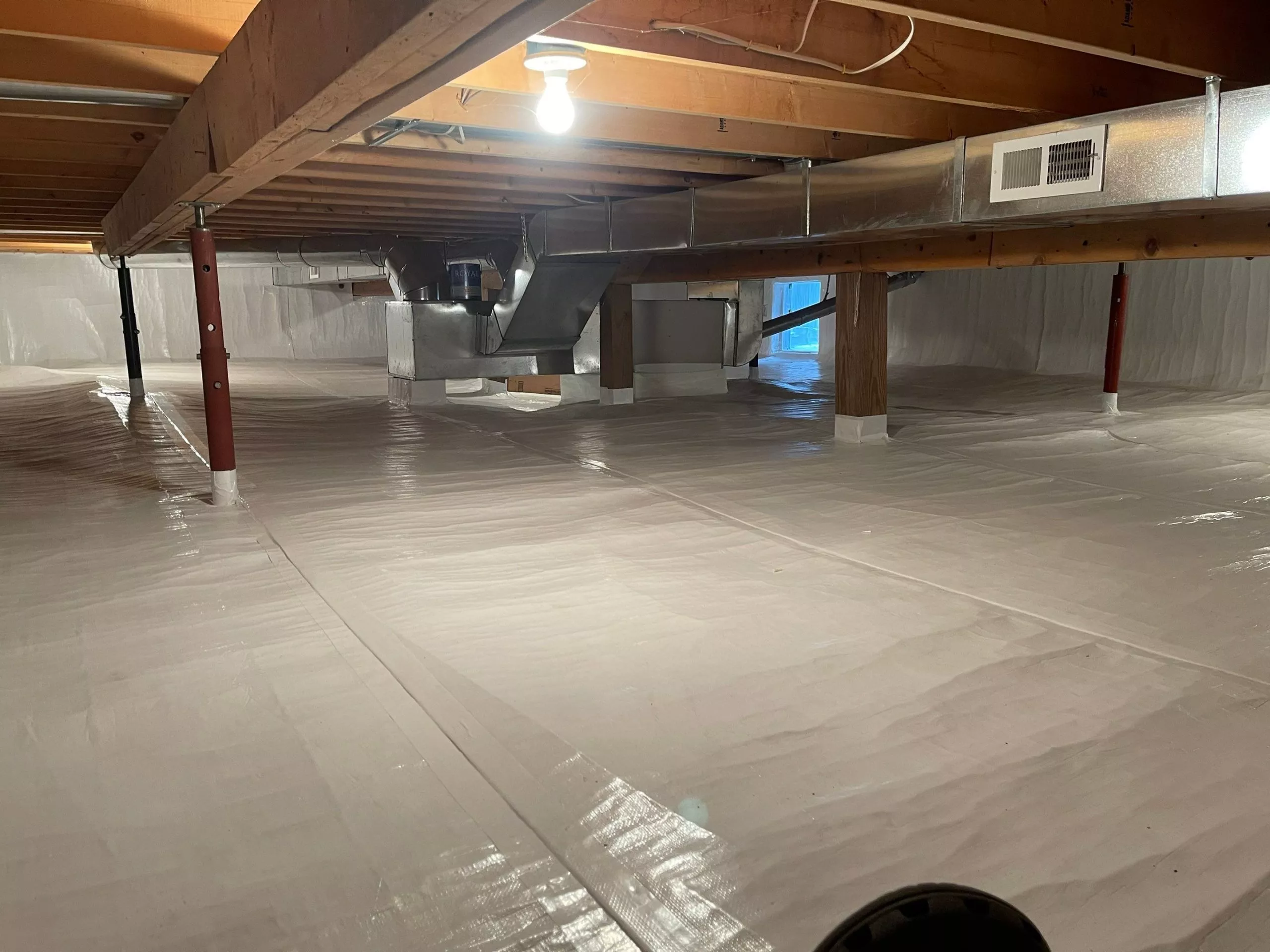
Crawlspace encapsulation is an important step in maintaining a healthy, energy-efficient home, particularly for those living in the Northern Michigan climate. For homeowners in Indian River, this can be a major concern, especially with the area's humidity and changing seasons. Encapsulation offers a reliable solution to combat moisture-related issues and improve the overall condition and value of your property.
Why Crawlspace Encapsulation is Vital for Indian River Residents
Located by the banks of the scenic Indian River, homes in this area are prone to high moisture levels, which can seep into crawlspaces. Moisture is not just detrimental to the structural integrity of a property but is also a catalyst for mold growth, which can affect indoor air quality and cause health issues. Encapsulation involves sealing your crawlspace with a durable vapor barrier, preventing moisture from the ground from penetrating into your home.
Beyond preventing moisture ingress, encapsulation can significantly improve energy efficiency. Properly sealing crawlspaces reduces heating and cooling costs by creating a more consistent indoor temperature. This can be an essential factor to consider for energy-conscious homeowners in Indian River. Additionally, a well-maintained crawlspace can increase the lifespan of your HVAC system.
Investing in our professional services in Indian River ensures that your encapsulation is performed correctly, using high-quality materials that stand the test of time. Our teams are always ready to help residents of the greater Indian River area, ensuring that homes are protected against the elements.
Don't wait for moisture problems to escalate. Contact us today to safeguard your home with our expert crawlspace encapsulation services tailored to the unique needs of Indian River residents.